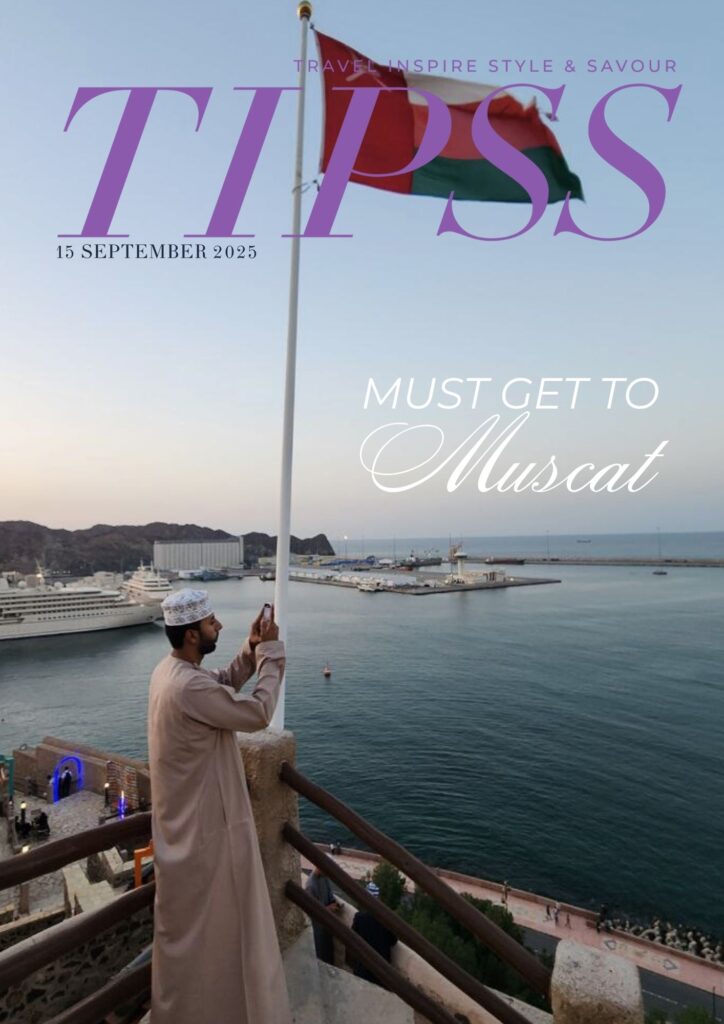
Oman may not be the first name that springs to mind for travelers in Southeast Asia—least of all Malaysians. But for those with a thirst for discovery, like myself, the allure of destinations less charted has always held a special fascination. Recently, with a stroke of good fortune, a colleague and I finally set foot in Muscat, the captivating capital of Oman.
Arriving in the Arabian Jewel
Several Middle Eastern carriers serve Oman, including FlyDubai, which conveniently connects Penang directly to Dubai before linking onward to Muscat. With the option of both economy and business class, it’s an accessible gateway for Malaysians keen on venturing into the Arabian Peninsula.
Perched along the Arabian Sea, Muscat is a living testament to Oman’s rich history and vibrant culture. Its skyline blends gleaming domes, sandy-hued fortresses, and elegant modernity, while its people embody the warmth of true Arabian hospitality.
Landing at Muscat International Airport at mid-morning, I summoned a taxi using a local ride-hailing app. At first glance, fares seemed modest—until I recalled that one Omani Rial equals nearly RM12, making Oman’s currency among the strongest in the world. A useful reminder to calculate wisely before indulging.
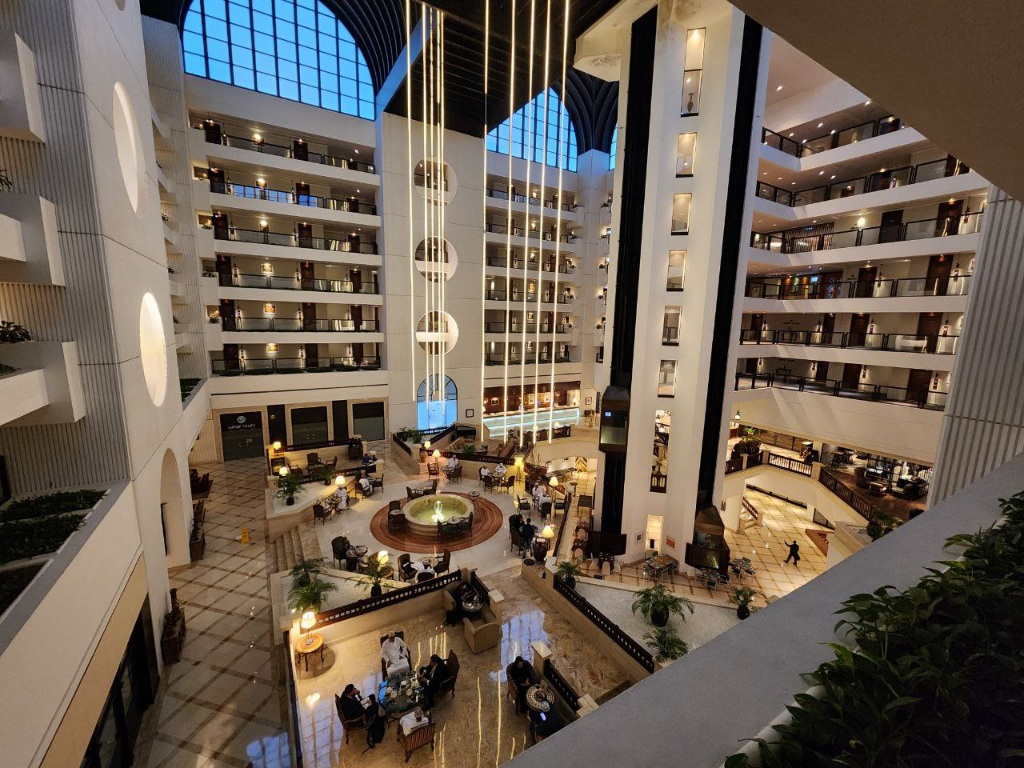
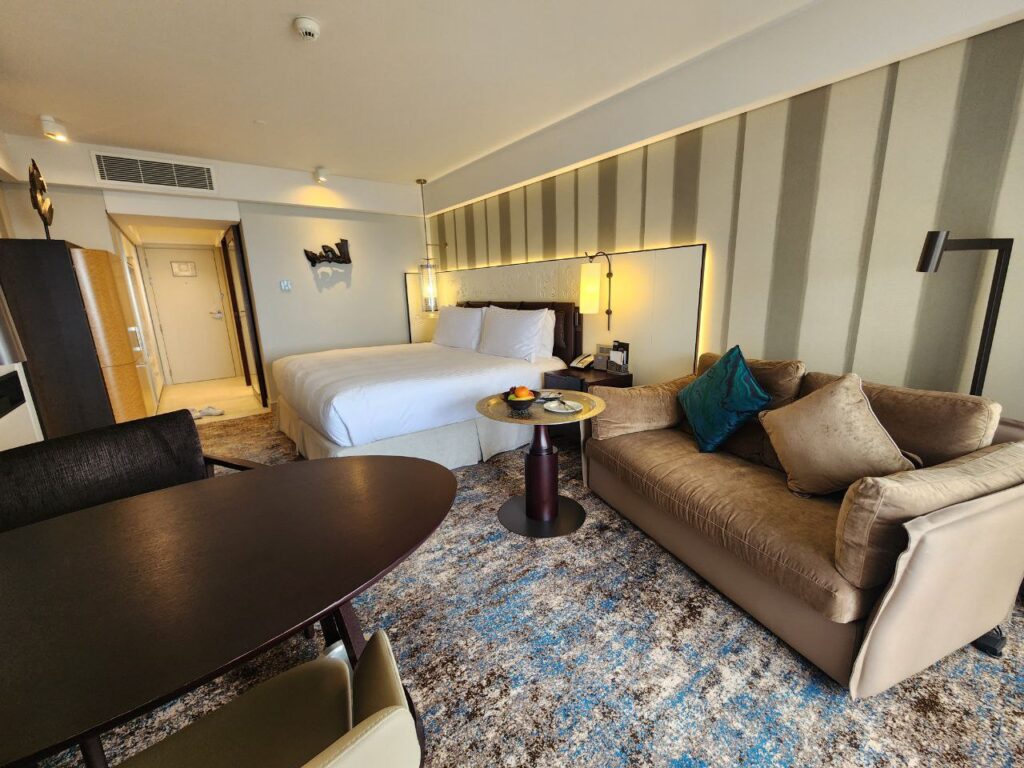
Our home base for the trip was the Intercontinental Muscat, the very first five-star international hotel to open in the capital. Ideally located across from the majestic Royal Opera House, the property exudes understated grandeur. Guests are welcomed with plump dates and steaming cups of traditional Omani tea, a fitting prelude to the genuine hospitality that defines the nation. The property boasts sprawling swimming pools, a private stretch of beach, and the recently renovated Musandam restaurant, whose design draws inspiration from Oman’s northern exclave. Its all-day dining menu spans refined international classics to regional specialties.

The Sultan Qaboos Grand Mosque
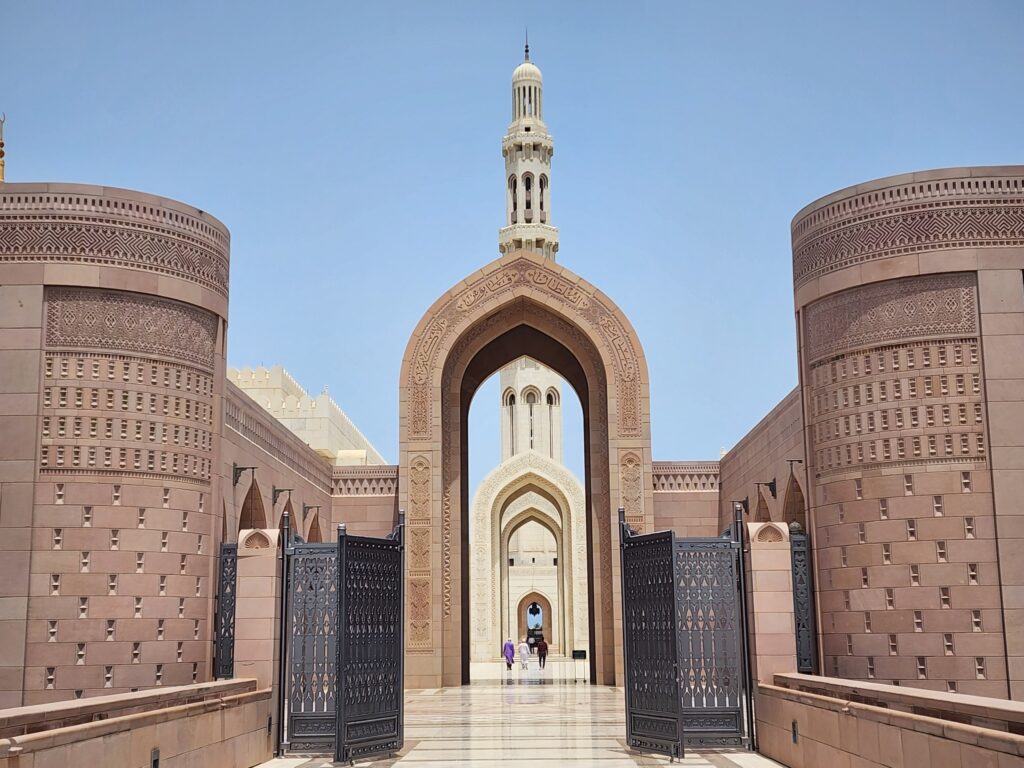
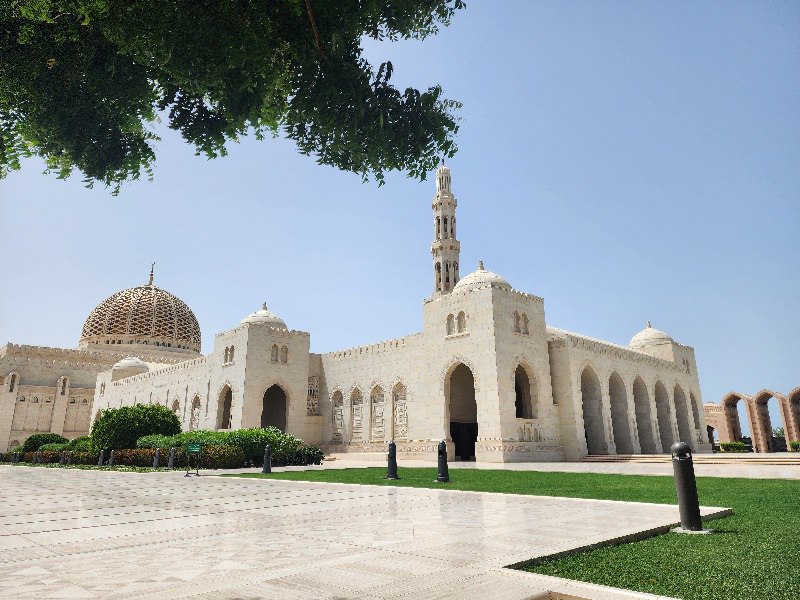
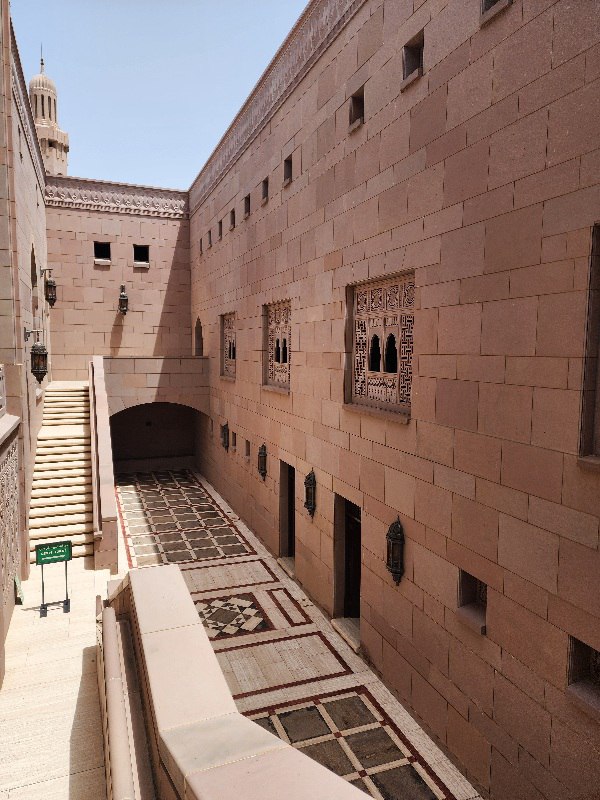
Our first stop was none other than Muscat’s crown jewel—the Sultan Qaboos Grand Mosque. One of the largest mosques in the world, it is a dazzling showcase of Islamic architecture, with intricate marble flooring, ornate chandeliers, and a soaring dome etched with exquisite calligraphy. Visitors are encouraged to wander through its vast prayer hall and manicured gardens, finding serenity amid its monumental scale.
Muttrah Fort and Souk
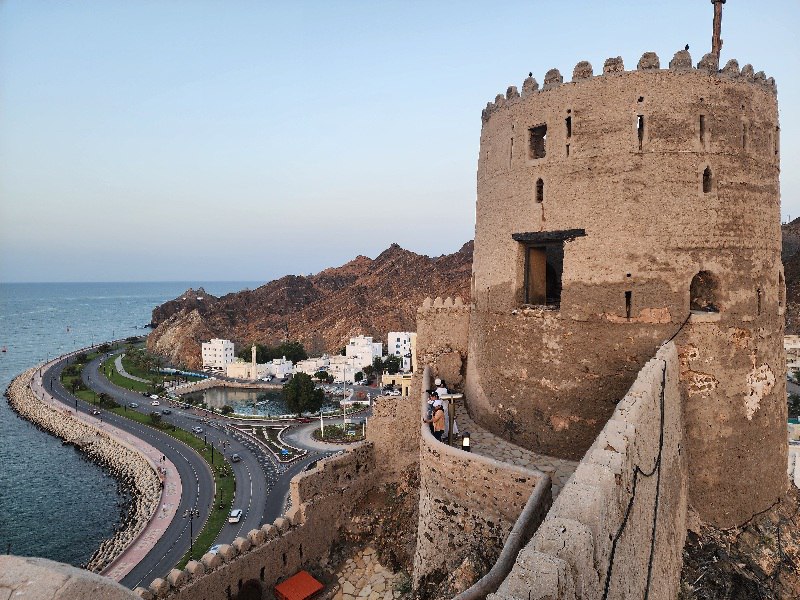
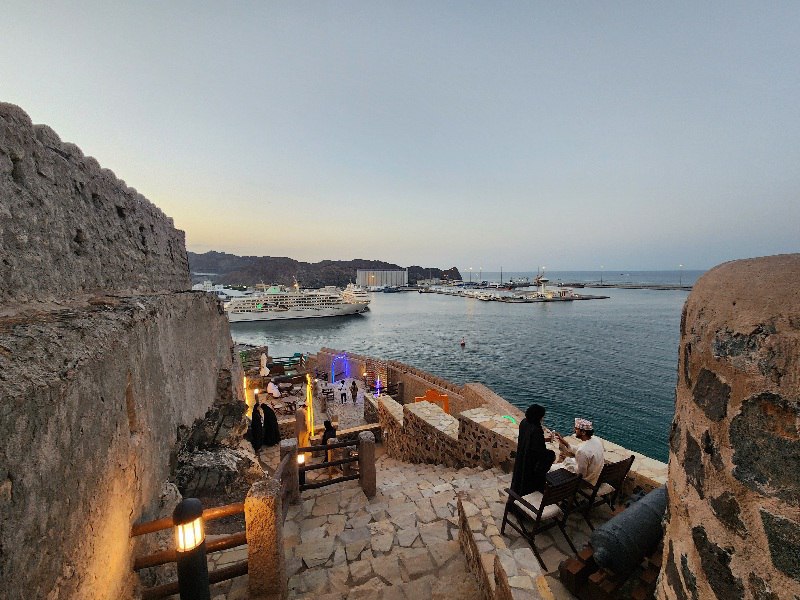
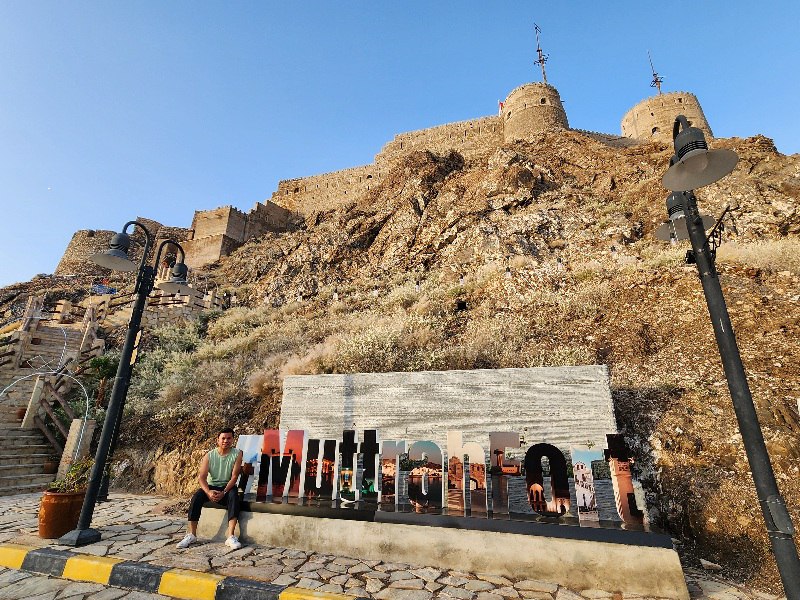
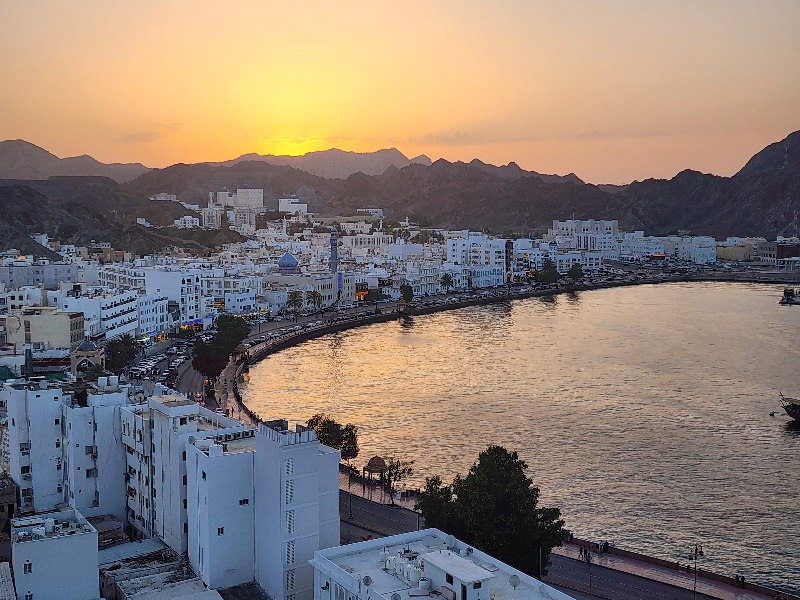
From there, we ascended to Muttrah Fort, a 16th-century Portuguese stronghold overlooking the storied Muttrah Corniche. After climbing its weathered stone steps, we were rewarded with sweeping views of Muscat’s harbor framed by the Arabian Sea. For a modest fee, you can explore the fort’s small museum, which chronicles Oman’s military history with fascinating artifacts. At sunset, the vantage point becomes sublime.
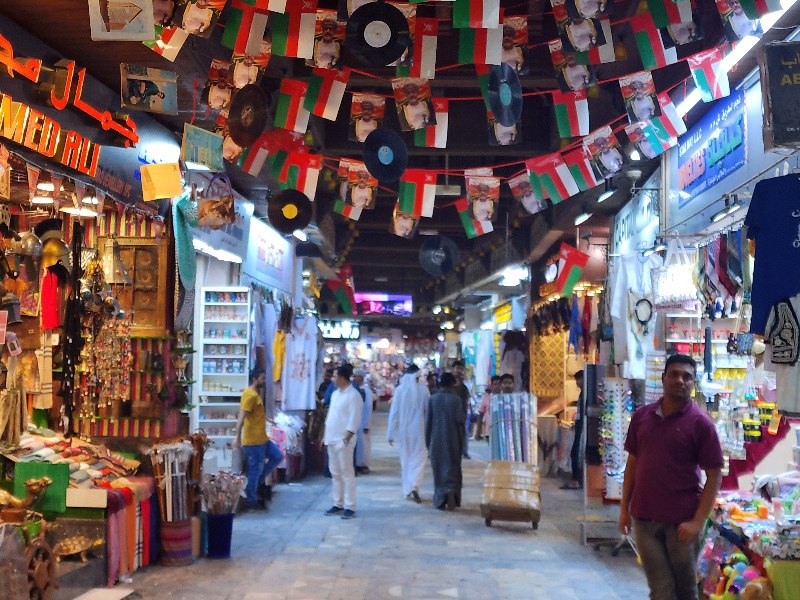
Just a short stroll away lies the bustling Muttrah Souk, a labyrinth of stalls brimming with embroidered dishdashas, handwoven turbans, traditional Omani sandals, and glistening silverware. The scents of frankincense and spices fill the air, mingling with the aromas of street food. Prices are surprisingly reasonable—though once again, Oman’s strong currency keeps you mindful of your spending.
The Royal Opera House
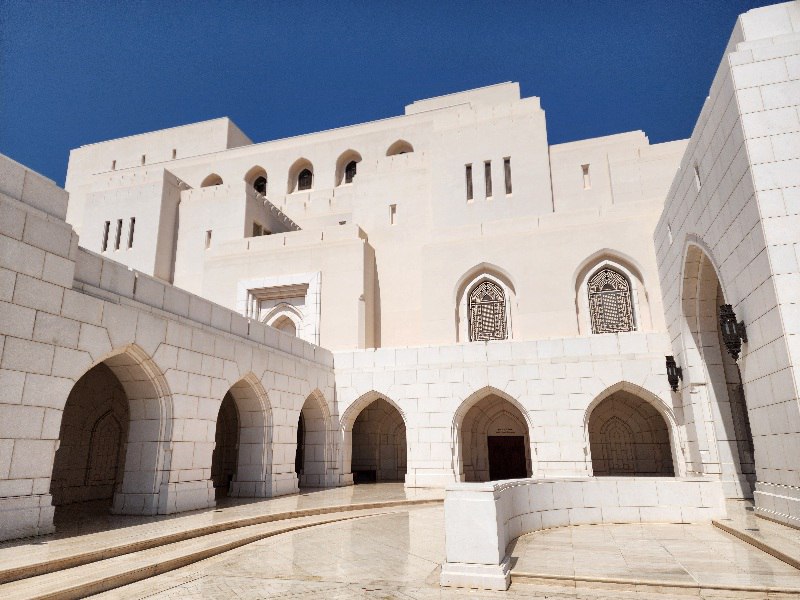
No visit to Muscat would be complete without stepping into the Royal Opera House, a cultural beacon that reflects Oman’s deep commitment to the arts. Its architecture is a blend of Omani tradition and modern elegance, adorned with marble pillars and delicate arabesque detailing. Inside the lavish auditorium, you might catch a world-class symphony, a ballet, or an avant-garde theater performance. Don’t miss the sleek skybridge connecting the Opera House to its commercial wing—a futuristic touch straight out of science fiction.
Dining the Omani Way
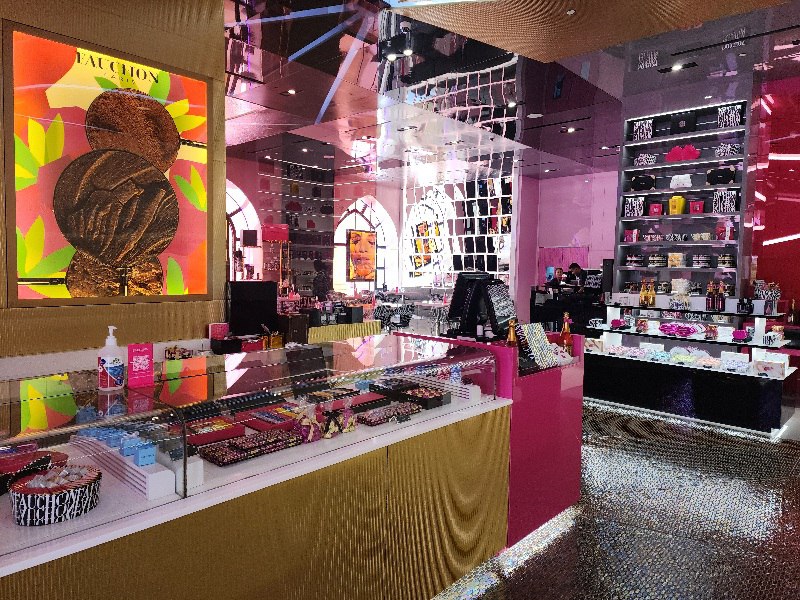
Gastronomy in Muscat is an experience in itself. At the Opera Galleria, the famed Parisian maison Fauchon offers pastel-hued interiors, decadent chocolates, and jewel-box pastries—perfect as edible souvenirs.

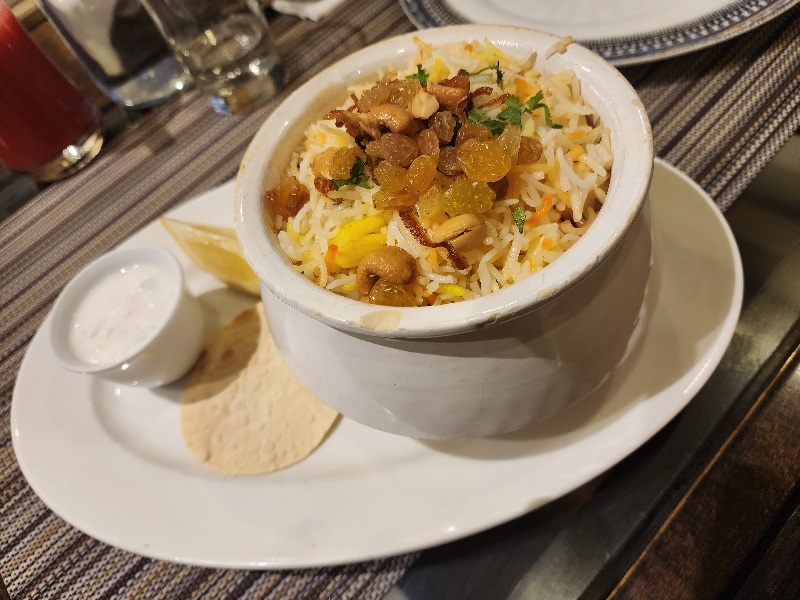
For a more local flavor, head to Ubhar, tucked in the Boulevard Boutique Mall of Shatti Qurum. Here, regional classics are elevated with creative flair. Standouts include fragrant lamb and chicken dishes, but the true highlight is the Camel Meat Biryani—stirred theatrically at the table and bursting with spice and aroma. It’s a culinary memory not soon forgotten.

A City That Stays With You
Muscat is a city where history, culture, and natural beauty converge seamlessly. From the grandeur of the Sultan Qaboos Grand Mosque to the timeless alleyways of Muttrah Souk, from the sophistication of the Royal Opera House to the flavors of a camel biryani, Oman’s capital is as enchanting as it is unexpected.
One thing is certain: for every traveler who ventures here, Muscat is not just a destination—it’s an invitation to return. So remember, you ‘must get to Muscat!’.