

It was my first time watching a classical Indian dance performance—Ayodhya Putra (The Ramayana), a Bharatanatyam dance drama accompanied by a live orchestra, held at Kala Mandapam, Brickfields.
My first question was: Would I be lost in translation? I wasn’t familiar with the story, and it would be performed in a language I didn’t understand. Would I spend the evening trying to figure out what was happening, or would I simply enjoy the spectacle? Either way, I was ready to immerse myself in the experience.
By the end of the performance, saying I was entertained would be an understatement. I even found myself getting teary-eyed. But before I get to that part, let’s talk about the show itself.
A Moving, Breathing Work of Art
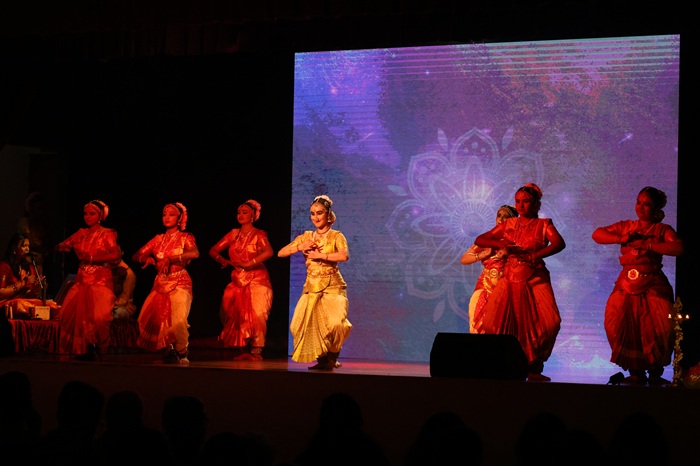
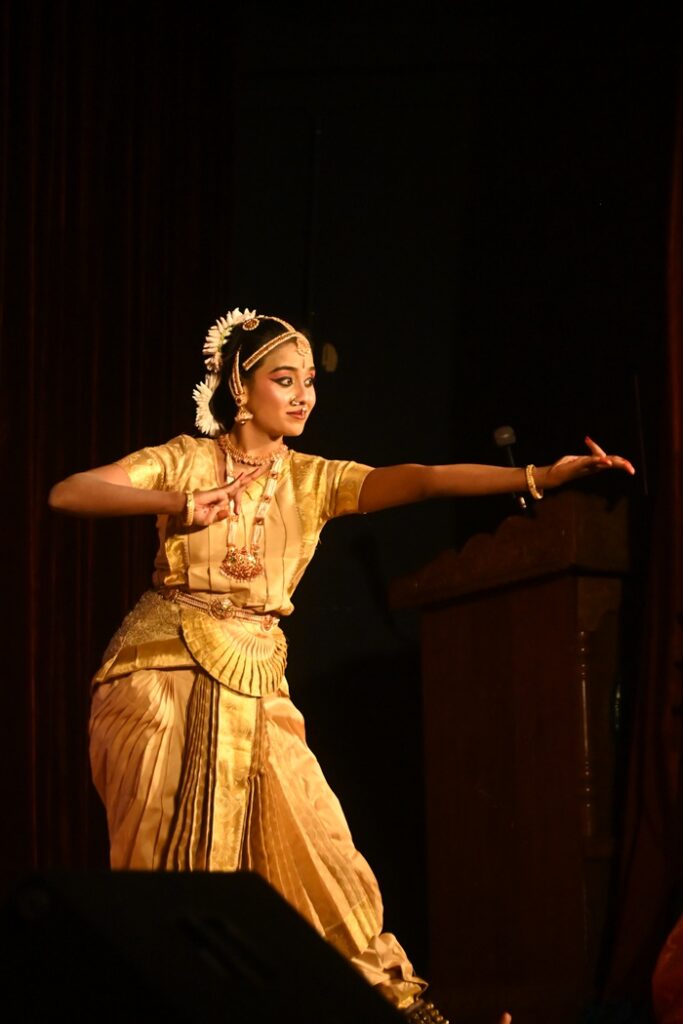
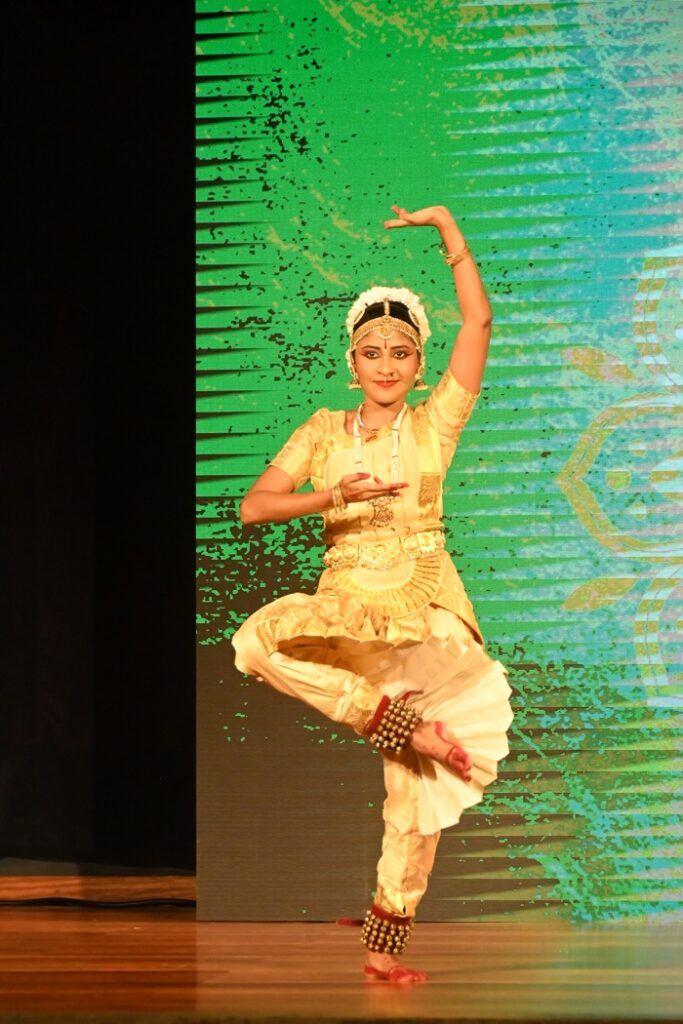
The music was beautifully performed, and the rhythmic beat of the dancers’ musical anklets (ghungroos) was utterly entrancing. It felt like musical perfection. The graceful hand gestures, the precise dance movements, and the expressive eye work all came together as something extraordinary. It wasn’t just art—it was moving, breathing art.
For nearly two hours, my eyes never left the stage. Not once did the performance lose its grip on my attention.
So, was I lost in translation? Surprisingly, no.
Each act was accompanied by an English synopsis projected onto a screen behind the performers. As someone who doesn’t understand Tamil, this thoughtful addition made all the difference. Instead of guessing what was happening, I could fully appreciate how every gesture, expression, and movement brought the story to life.
Rama, Sita, and an Unexpected Lesson in Healthy Relationships
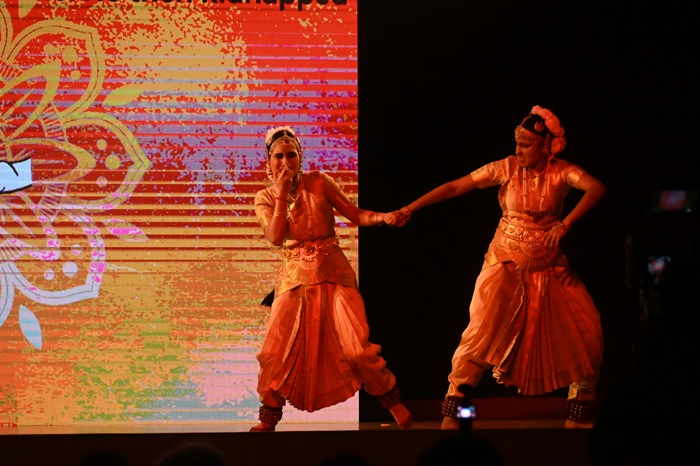
Like many people, I only knew bits and pieces of the story of Rama and Sita. I certainly wasn’t expecting a dance performance to give me relationship goals.
Throughout the story, Rama does everything he can to ensure Sita feels safe, protected, and loved. He faces challenge after challenge without hesitation because her well-being matters to him. Talk about healthy masculinity.
There’s even a scene where a female demon attempts to seduce Rama. His response? He simply brushes her off. No drama. No temptation. Just unwavering loyalty.
At that point, I jokingly thought modern couples could probably skip a therapy session and watch this performance instead.
Tinithra and Sandhya’s Devotion

No, Tinithra and Sandhya aren’t characters from the Ramayana. They are two incredibly talented women whose love for classical Indian dance began when they were just six years old. Their passion has stayed with them ever since.
For this production alone, they trained for six months to make every movement appear effortless and flawless. Tinithra, an IT consultant, and Sandhya, a professional auditor, never described the rehearsals as a chore. When you genuinely love what you do, dedication feels less like work and more like purpose—and it showed.
They glided across the stage with elegance and confidence, making years of discipline look almost effortless.
The Moment That Brought Me to Tears
The performance itself was immensely satisfying. I loved the music, the choreography, and the storytelling. Then came the final moments. Slides appeared on the screen explaining that, during the British colonial period in India, legislation was introduced that effectively barred women from performing in more than 35,000 temples across Tamil Nadu. Section 3, Subsection (3) declared dancing by women within temple precincts unlawful, while Section 4, Subsection (1) stated that those who violated the law could face fines or imprisonment. Reading those words was unexpectedly emotional.
The idea that women were met with such fierce resistance simply for preserving and performing a traditional art form was heartbreaking. It was difficult to comprehend how far people were willing to go to silence them—even threatening imprisonment.
That history made me appreciate the performance even more. Every graceful step, every expressive gesture, and every beat of the ghungroos felt like a quiet act of resilience.
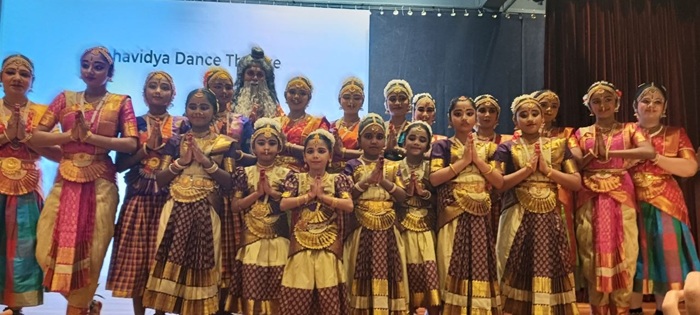
As I wiped away my tears, I felt grateful that today women are able to perform this beautiful art without those restrictions. And here in Malaysia, they can continue to celebrate and preserve it freely.
Walking into the theatre, I wondered whether I would understand the performance.
Walking out, I realised I didn’t just understand it—I felt it.


