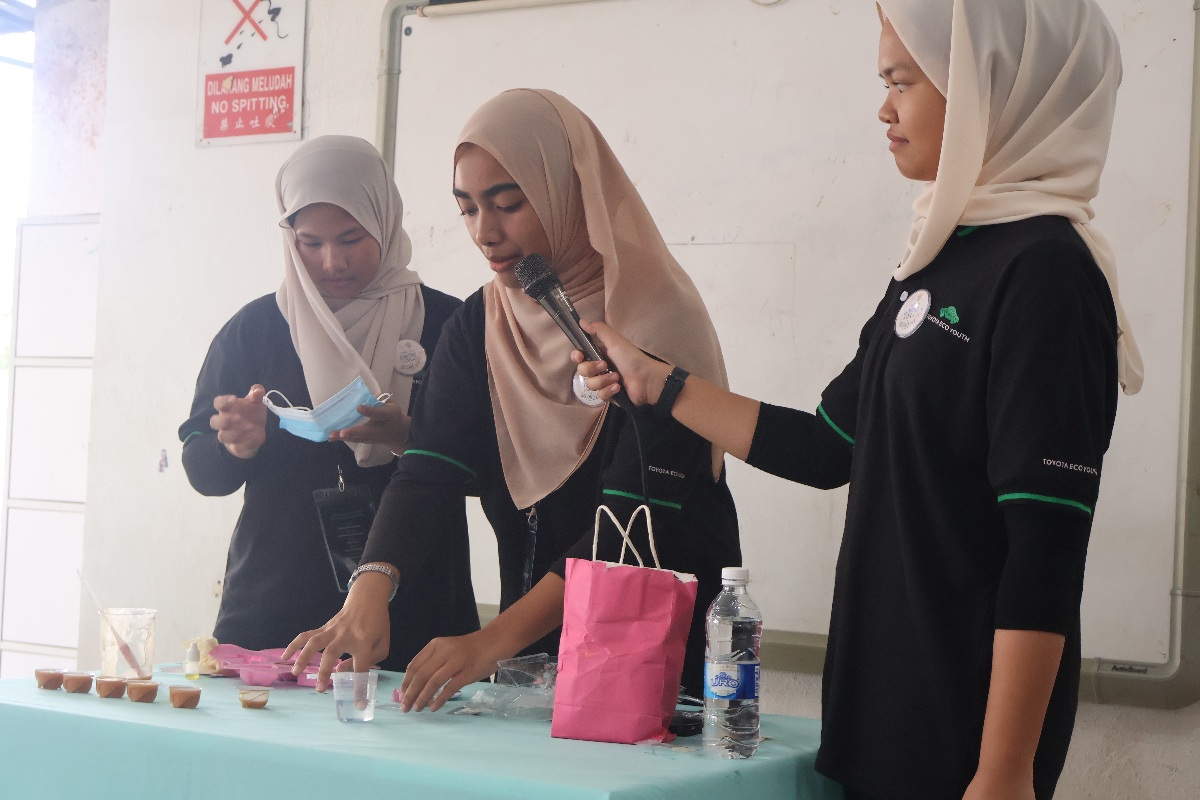
A group of Form Four students from Sekolah Menengah Sains Seri Puteri (SESERI), Kuala Lumpur, are proving that an everyday kitchen waste product can become the starting point for a meaningful environmental initiative.
Through their ScrubCycle project, the students are raising awareness about the responsible management of used cooking oil while showing the community how the waste can be turned into something useful — soap.
The project was selected as one of the 30 best teams in Toyota Eco Youth (TEY) 2026, a competition that requires participating teams to carry out a community-based project.
For the ScrubCycle team, the focus is on encouraging people to think twice before pouring used cooking oil down the sink, while introducing a practical way to give the waste a second life.
Taking the message to the community
As part of the project, ScrubCycle recently collaborated with the Residents’ Committee of Block A, PPR Kerinchi, Lembah Pantai, to organise a community programme centred on sustainable used cooking oil management.
The programme, held on 22 August 2026, featured the launch of the campaign as well as a practical workshop on making soap using used cooking oil.
The initiative was designed not only to educate residents about the environmental impact of improper oil disposal, but also to give them an opportunity to participate in the solution themselves.
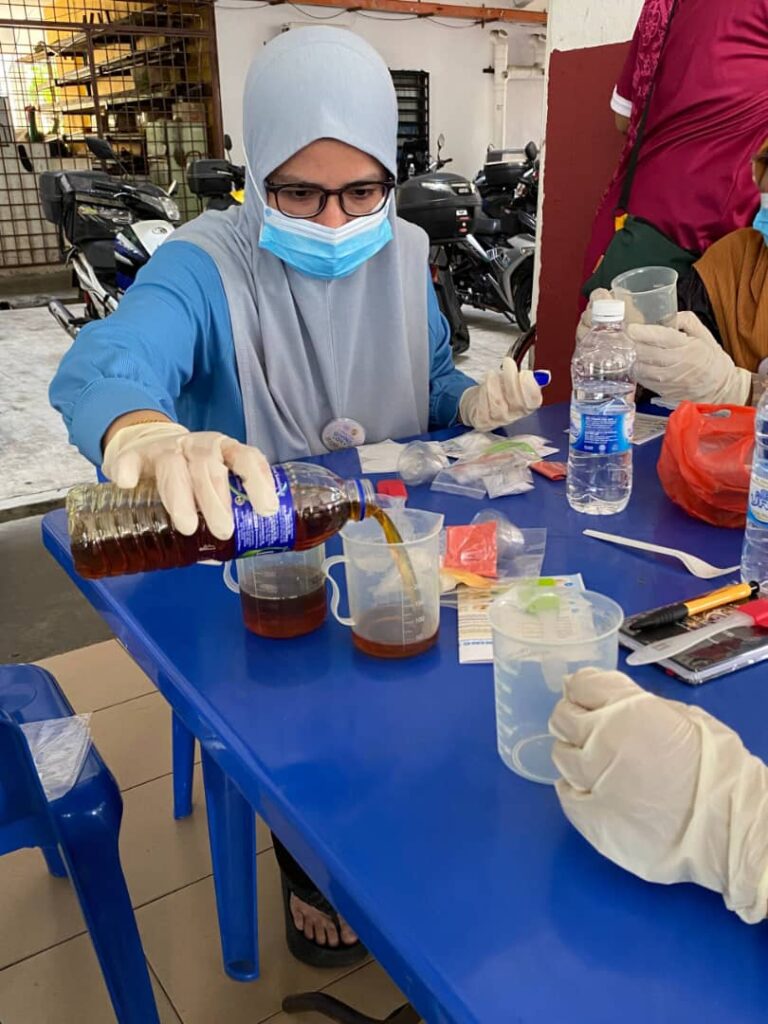
During the workshop, participants were introduced to the basic process of transforming filtered used cooking oil into soap, allowing the environmental message to move beyond theory and into a hands-on experience.
From used oil to useful soap
At the heart of ScrubCycle is a simple idea — turn used oil into something useful.
According to the team’s educational materials, the project aims to educate the public about the importance of proper used cooking oil management and its role in protecting the environment, reducing pollution and promoting a cleaner and more sustainable community.
The soap-making process uses used cooking oil together with cold water and sodium hydroxide lye.
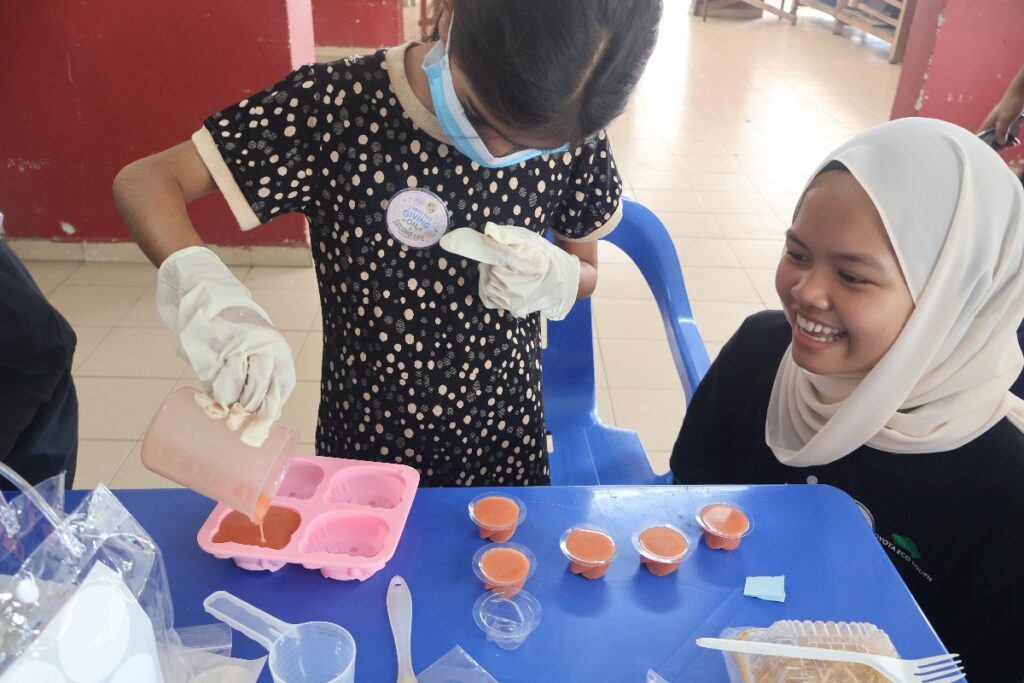
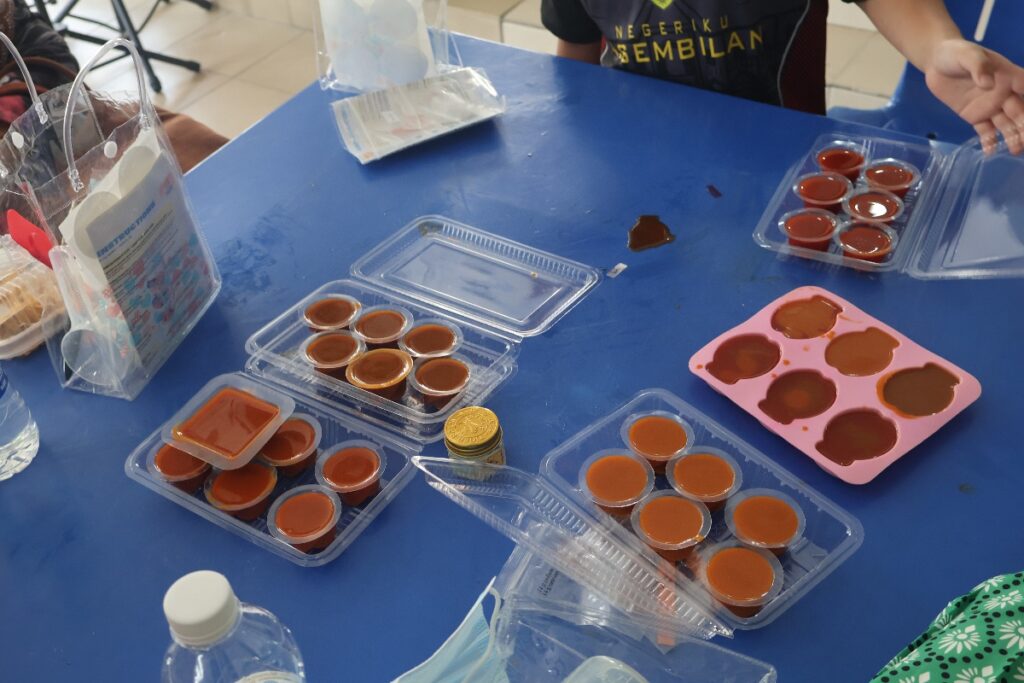
Participants are taught to first filter the used oil to remove unwanted impurities before carefully combining the ingredients. The mixture is then left to dry for seven full days in a cool, dry and well-ventilated area.
Litmus paper is used to check the pH level before the soap is used.
The team also clearly states that the resulting soap is suitable for washing purposes only.
Safety comes first
Because the process involves sodium hydroxide, ScrubCycle places strong emphasis on safety.
Participants are instructed to wear protective gloves and face masks, work in a well-ventilated area and keep the materials away from children and pets. Children taking part in the activity should also be supervised by adults.
The educational material also stresses the importance of carefully handling the sodium hydroxide when mixing it with water.
These precautions make the workshop not simply a craft activity, but an opportunity for participants to learn about responsible handling of materials while discovering how waste can be repurposed.
ScrubCycle Eco Bar Soap Making Kits
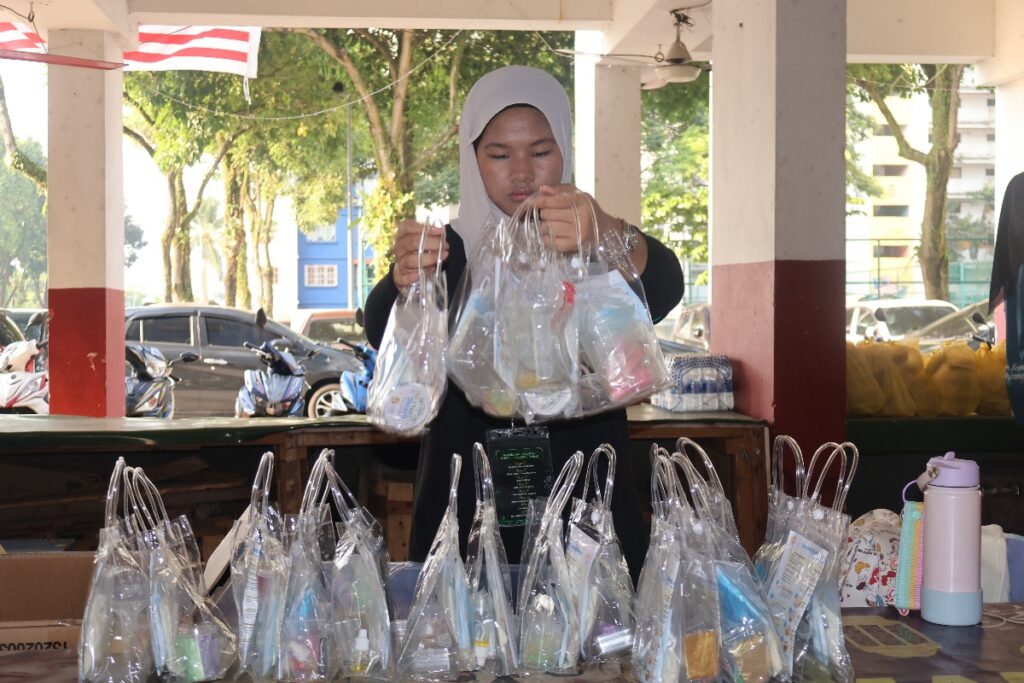
One of the team’s innovations is the ScrubCycle Eco Bar Soap Making Kit, developed as an educational tool to encourage members of the community to continue making soap from used cooking oil.
Each participant at the PPR Kerinchi workshop received a starter kit, giving residents something tangible to take home after the programme.
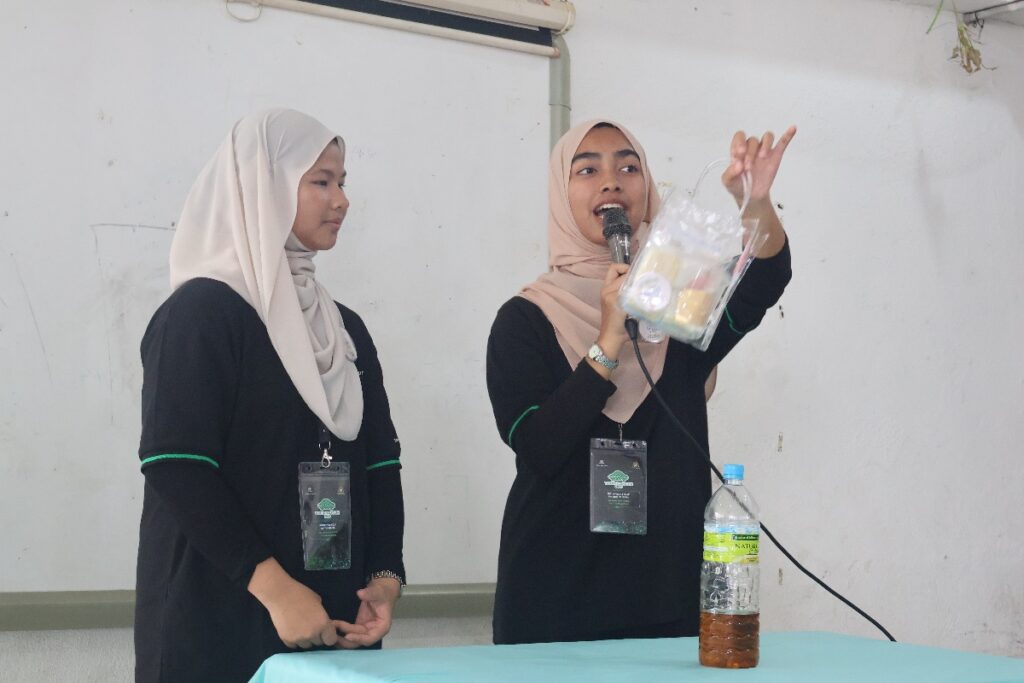
The idea is to encourage the community to continue practising proper used cooking oil management beyond the workshop itself.
Rather than viewing used cooking oil as something that simply needs to be thrown away, ScrubCycle hopes to encourage a more sustainable mindset — where waste can potentially be transformed into something useful.
A project built around community participation
The PPR Kerinchi programme featured a series of activities, including the official launch of the campaign, an awareness talk on used cooking oil management, a demonstration and practical soap-making workshop, as well as a lucky draw and presentation of souvenirs.
The collaboration also highlights the importance of involving local communities in environmental initiatives.
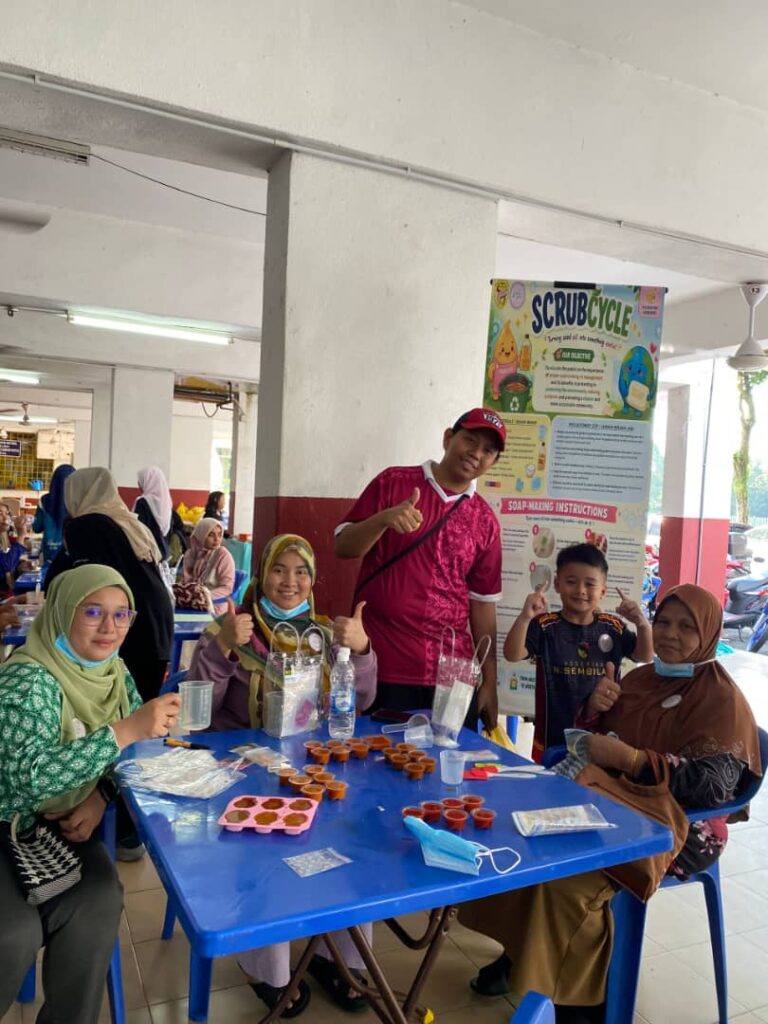
For the SESERI students, the Toyota Eco Youth challenge has therefore become more than a competition. It has provided them with an opportunity to take an environmental issue they have researched and bring it directly to the community.
The team behind ScrubCycle
The ScrubCycle team comprises students from SESERI, with Siti Afiqah Binti Ahmad Suzaini serving as team leader to Dhia Keysha Umairah Binti Mohd Kasbi , Aida Syuhada Binti Hisyam, Suri Ardini Binti Asmawi, Hana Zaheen Binti Muhammad Zaki, Safwa Elisha Binti Mohd Shahril, Lily Helena Binti Nadzmin, Adelia Amni Binti Mohd Zaim, and Zara Adreena Binti Mohd Zaki.
The project is supported by their teacher adviser, Nurulhuda binti A. Ghani.
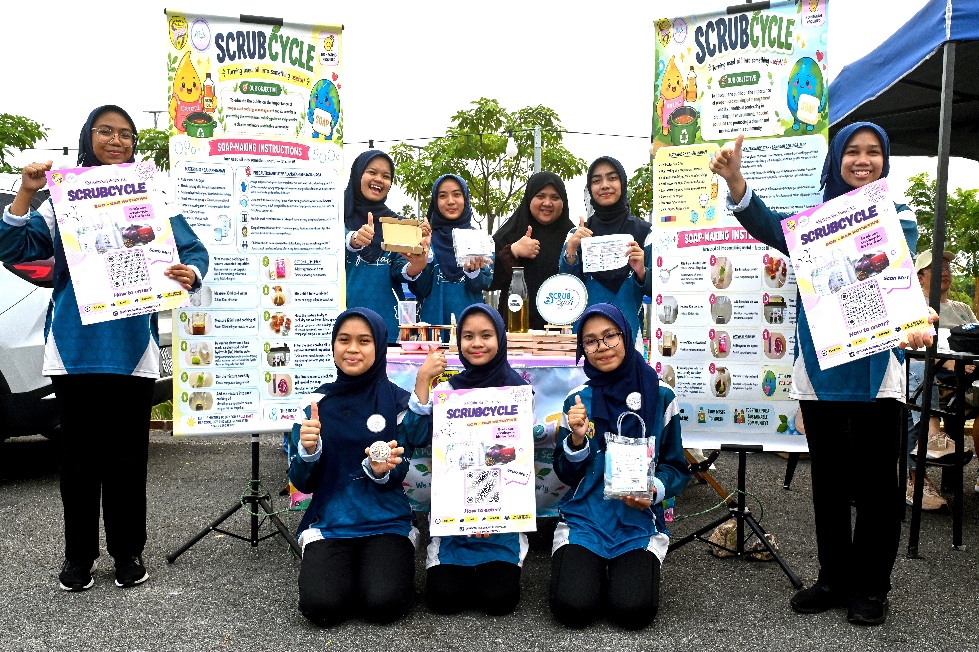
Interestingly, the team also opened a competition to identify a junior team that could help ScrubCycle continue developing its project. The selected students came from Group 1 of a competition organised by ScrubCycle, giving younger students an opportunity to become involved in the initiative.

“Congratulations and well done to the teachers and students of SM Sains Seri Puteri for this meaningful ScrubCycle initiative. Transforming used cooking oil into something useful not only promotes environmental awareness, but also demonstrates how the SDGs can become part of our everyday lives through small actions that create a meaningful impact on the community.
May this initiative continue to grow, inspire the school community and society, and nurture a generation that is more environmentally conscious, responsible and committed to sustainability,” said Norzila binti Ali Musa, the principal of the school.
Small changes, bigger impact
At a time when environmental issues can often seem too large for individuals to tackle, ScrubCycle takes a simple and practical approach.
A bottle of used cooking oil from a household may appear insignificant, but the students want to show that what happens to it after use matters.
By bringing together students, teachers and residents, the project demonstrates how environmental education can become more meaningful when communities are given the knowledge and tools to participate.
For ScrubCycle, the message is straightforward: don’t pour used cooking oil down the sink. Recycle it, repurpose it and take one small step towards a greener future.
The team continues to document its journey through its social media platforms, including Instagram, YouTube and TikTok, as it works towards developing the project under the Toyota Eco Youth 2026 programme.