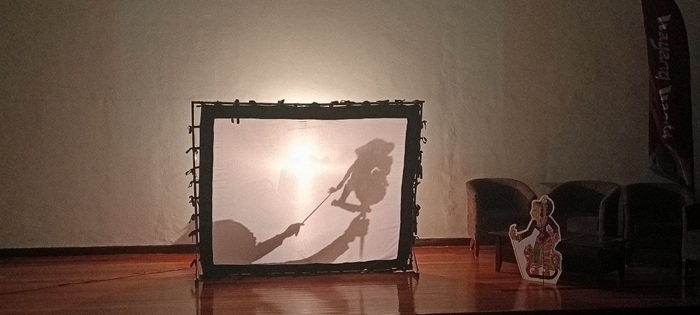
Arts have souls. Our ancestors understood this. Day in and day out, they performed, watched, and embraced traditional art forms such as Wayang Kulit, Mak Yong, Gamelan, and many others. These arts breathed through movement, words, and music. They were not merely mediums for expressing intricate narratives; the arts themselves became the soul and medicine of the community. Have we, in this cyber-digital, transhuman era, lost all of this and become stoic, soulless human beings?
I was thirsty. My soul felt deprived of the sounds, visuals, and movements that my ancestors once embraced and celebrated. When I came across the Wayang Wanita Forum, held at the National Art Gallery on 17 May 2026, featuring an all-women speaker lineup, I felt as though it was a calling. I had no idea what I would learn that day, but learn I did.
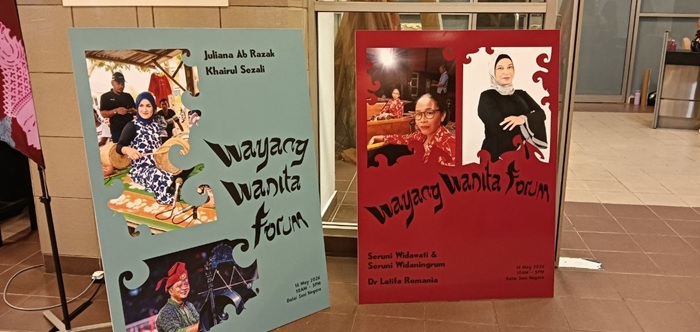
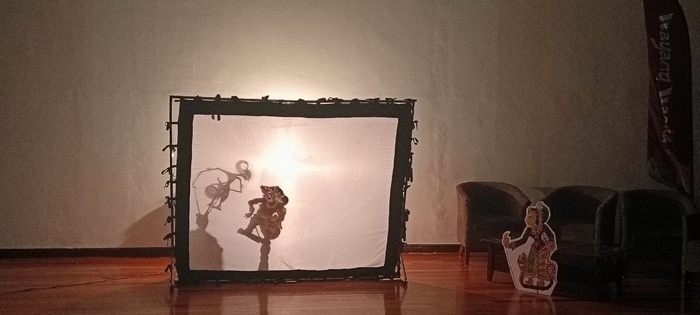
Speakers from Indonesia, including Ibu Dalang (female traditional puppet masters) Nyi Sri Harti Kenik Asmorowati, Seruni Widawati, and Seruni Widaningrum, opened my eyes to the beauty behind the making of each wayang kulit character. They spoke of the stories, the craftsmanship, and the varied melodic tones required to bring the puppets to life—an art that demands precision, skill, and years of practice.
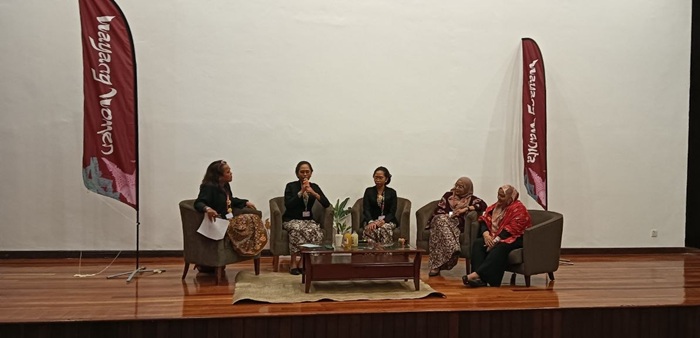
My full attention, however, was captured by Ibu Latifa Ramonita from the LSPR Institute of Communication and Business, Jakarta, Indonesia, when she began discussing the medicinal and sacred dimensions of wayang kulit. It was something our society rarely talks about—or perhaps finds too taboo to say out loud: the mystical aspect of traditional arts.
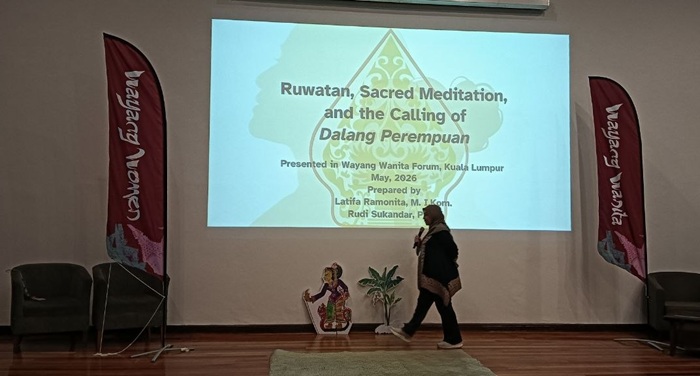
Wayang kulit, she explained, is used in Javanese purification rituals aimed at cleansing individuals. It is not merely symbolic but understood as a restorative act that realigns a person with cosmic and divine order. In other words, if we have a headache, we can buy pills over the counter. But when we suffer from a soul-ache, there was once a time when our ancestors turned to traditional art performances for healing. In Indonesia, these rituals are still practised. In Malaysia? They have become, more often than not, artistic expressions packaged for tourism.
The Malaysian speakers featured Dr. Fara Dayana Mohd Jufry from Universiti Sains Malaysia, Liyana Che Mohammad (a Wayang Kulit Melayu Kelantan practitioner), Zamzuriah Zahari, and Juliana Ab Razak, both practitioners of Kelantanese traditional arts. These women spoke about the realities facing our traditional performing arts today and the role of women within that landscape.
My biggest takeaway from their talks was sobering: the reality of our traditional performing arts is bleak. The versions designed for tourism are alive and kicking, but the real deal—the true essence of the art itself—is already on a ventilator. As we become increasingly connected to technology, we seem to be growing disconnected from our own human essence. That is a tragedy.
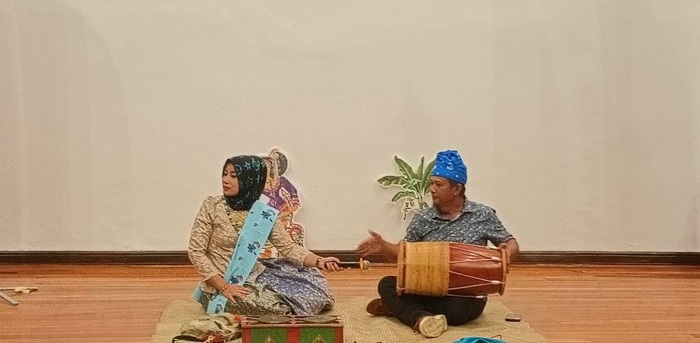
My favourite part of the event was the demonstration performance that combined traditional instruments with electronic synthesizers. As Zamzuriah’s melodic voice floated above the music, it breathed new life into the performance. It reminded me of the soundtracks from House of the Dragon and The Lord of the Rings. It was simply mesmerising.
I wish more opportunities were given to younger generations to witness authentic traditional performances—the very roots that once anchored our communities. Mak Yong, Wayang Kulit, Kuda Kepang, Main Teri, and Tarian Barongan are among the art forms that have been pushed to the margins, almost buried beneath the ground, forbidden to be spoken of, seen, or practised. Yet these were the very traditions our ancestors embraced and celebrated.
What are we truly afraid of? The arts themselves? The people who practise them? Or the mystical elements woven into these traditional performances?
The purpose of a ventilator is either to keep someone alive or to prolong the inevitable before breathing stops altogether. Earlier, I said that the truest essence of our traditional performing arts is on a ventilator. The question is: which outcome will we choose?
Your guess is as good as mine.