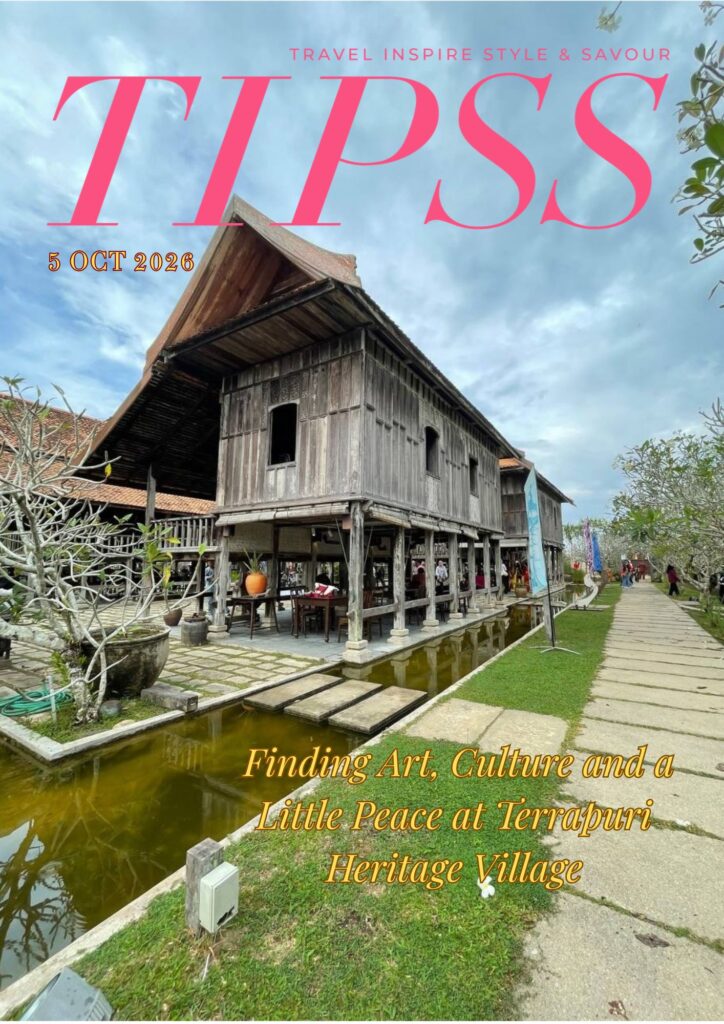
Staying at Terrapuri Heritage Village feels a little like stepping into another time, except with the modern comforts you would definitely want in the present.
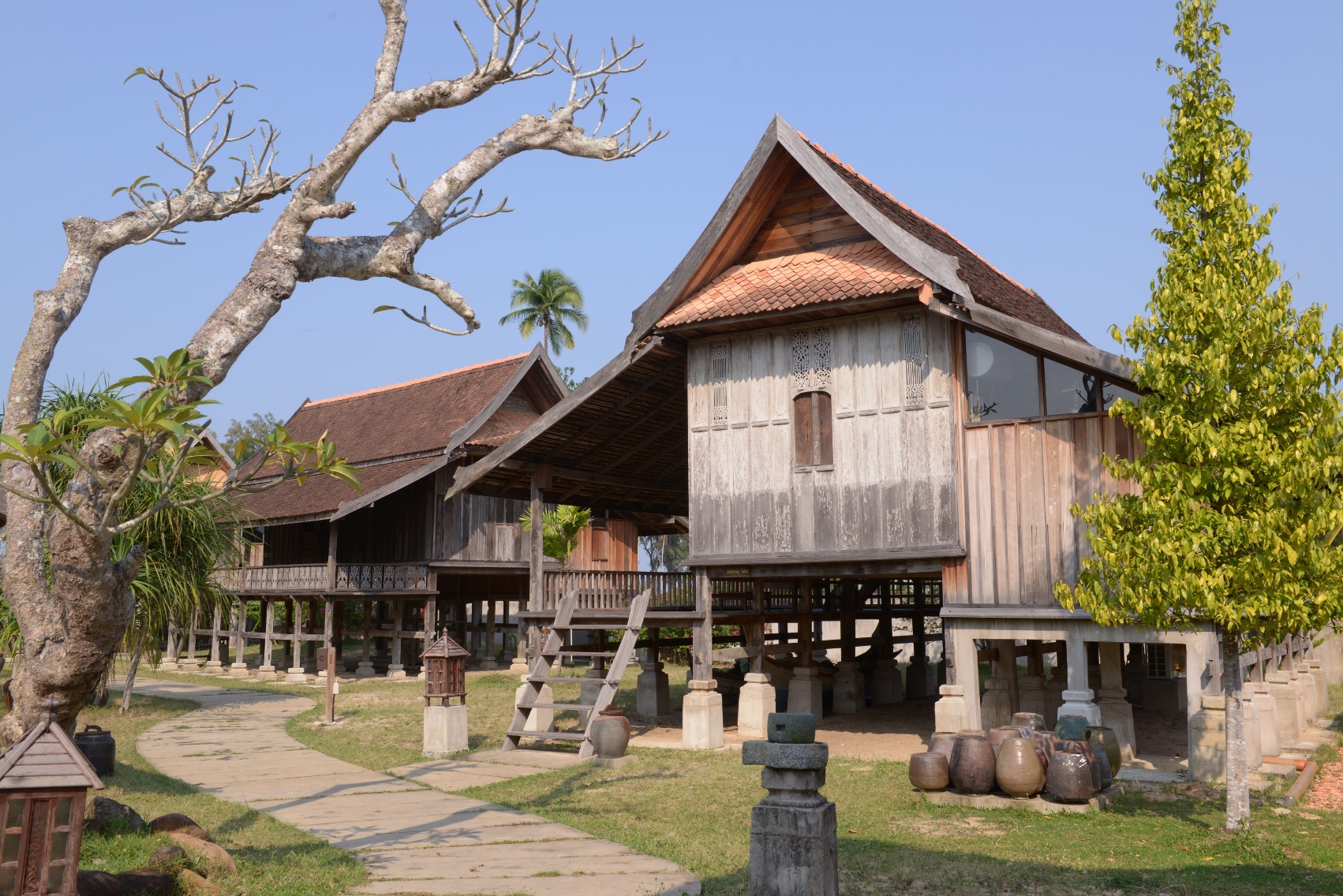
Set between the Setiu Wetlands and the South China Sea, Terrapuri is a conservation and restoration project made up of 29 traditional Terengganu Malay houses, some between 100 and 250 years old.
The village is the brainchild of its founder and owner, Alex Lee, whose fascination with Terengganu’s traditional Malay architecture began when he was young. What started as an idea to rescue and preserve old houses eventually became Terrapuri—a heritage village where these structures could live on as homes, rather than simply being preserved as museum pieces. That, to me, is what makes the concept so brilliant. You do not just look at the heritage here; you actually get to live in it.
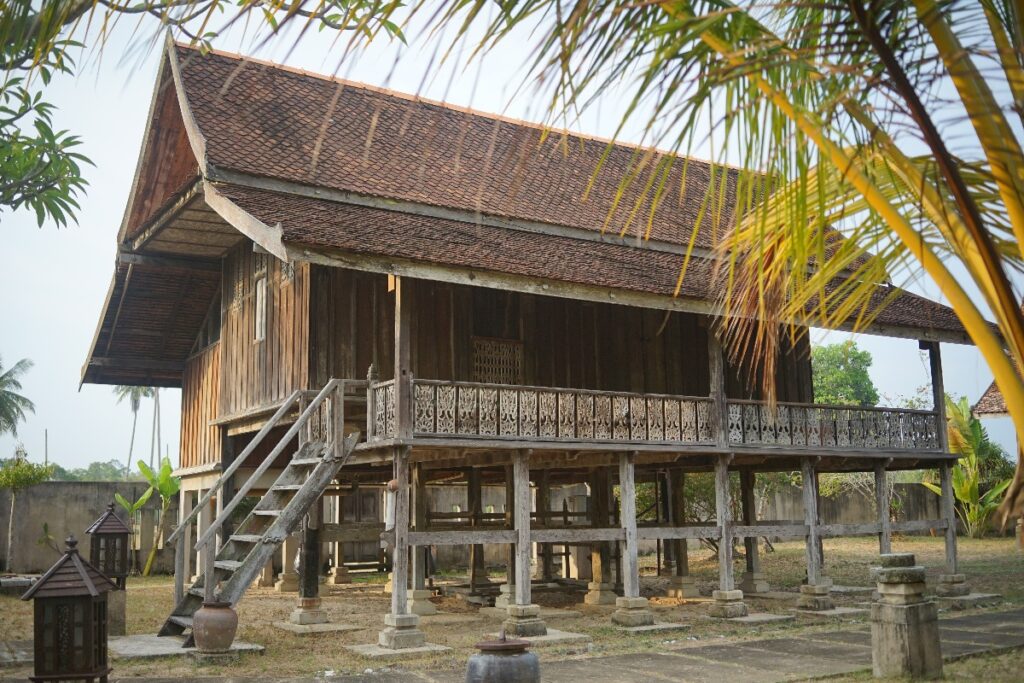
The village itself was inspired by the layout of a 17th-century Terengganu palace compound. Many of the houses were dismantled from their original locations, restored, and rebuilt here using traditional construction techniques. Raised timber floors, cengal wood, Singgora roof tiles, carved panels, and the ancient pasak and tanggam (peg and slot) joinery system are all part of what makes the place so special.
For a few days in September, I had the chance to experience this magical setting while attending the Trail of Philosophy 2.0, a three-day celebration of heritage, art, and culture held at Terrapuri from 25 to 27 September 2026.
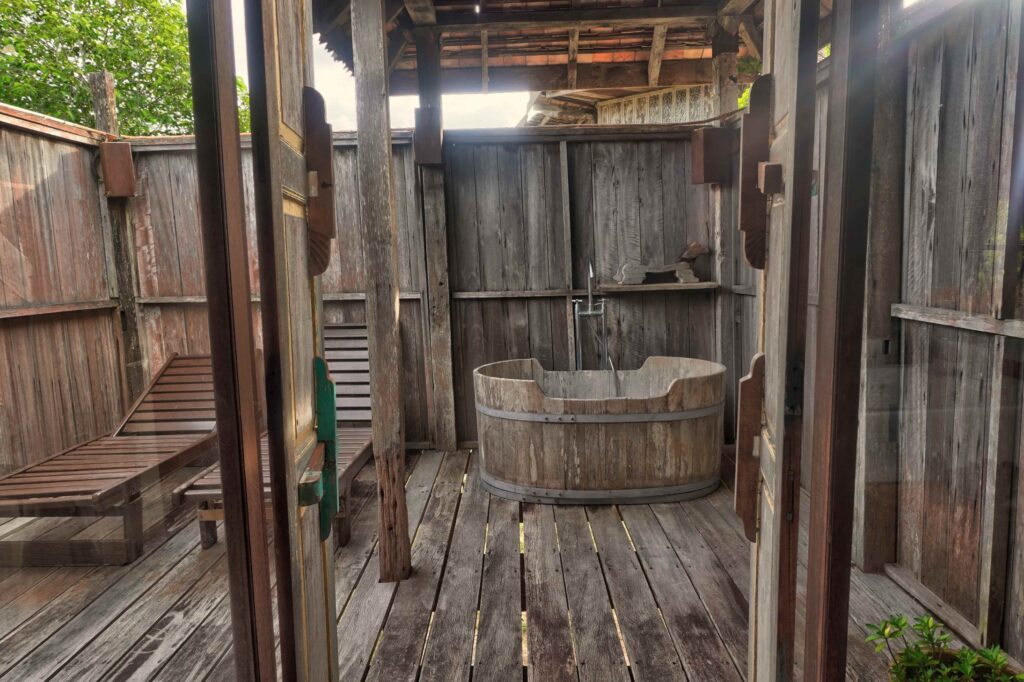
My home during the stay was Gelugor Raja, a beautifully restored Rumah Tiang Enam originally from Kampung Gelugor Raja in Kuala Terengganu. It was rustic without feeling uncomfortable, and beautifully aged without trying too hard to be nostalgic. I loved the dark timber interior, the high roof, and the simplicity of the room. Then there was my favourite part: the rather sexy outdoor wooden bathtub tucked away privately behind the house.

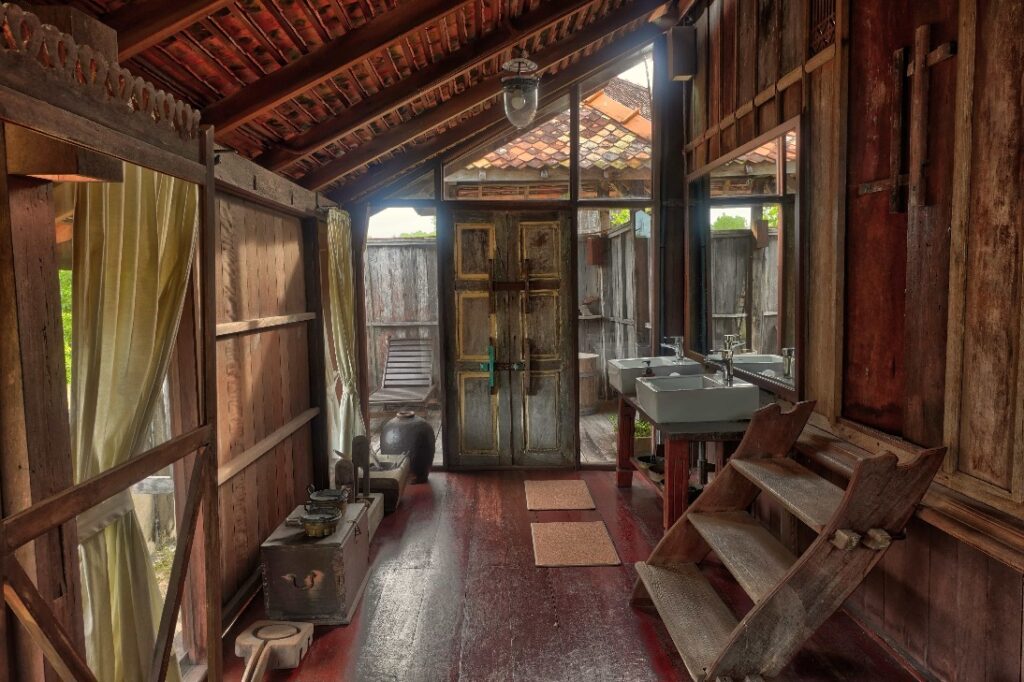
I slept incredibly well there, but the mornings were even better. Waking up to the quiet surroundings, walking out onto the serambi (verandah), and seeing the historic houses nestled among the trees and greenery made it very easy to forget about whatever responsibilities were waiting back in KL.
That setting also made the Trail of Philosophy 2.0 feel less like an event that had simply been placed inside a venue, and more like something that naturally belonged there.
The programme kicked off with its launch on the first evening, followed by Silat Tari. Watching silat in this setting gave me a completely different appreciation of the art form. There is strength in the movements, obviously, but there is also grace, rhythm, and storytelling. It reminded me that silat is not simply a martial art; there is a profound artistic language within it, especially when movement, music, and philosophy come together.
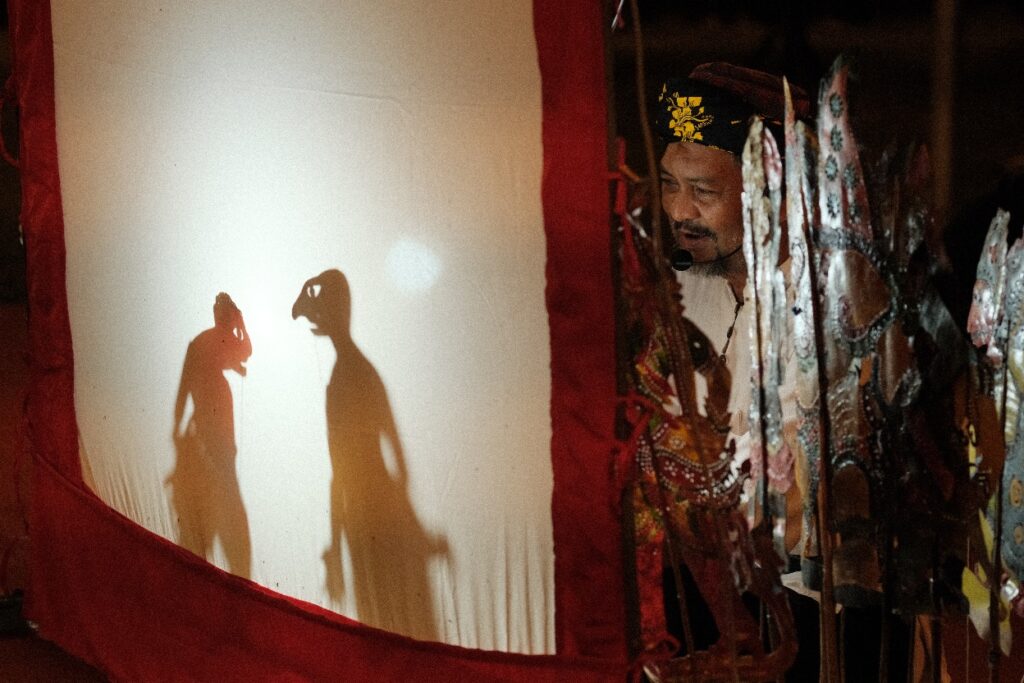
Later that night came a Wayang Kulit performance of “Bunga Kembang Harum Setaman”. Sitting there watching the shadows, listening to the traditional music, and following the performance was one of those moments when the venue became as much a part of the experience as the show itself. The evening paired the performance with Santapan Langkasuka, something Terrapuri describes as part of its heritage dining experience inspired by the traditional flavours of Terengganu.
In fact, the food throughout my stay deserves its own mention—it was exceptional. The Santapan Langkasuka in particular felt completely at home with everything happening around us. Good local food, traditional architecture, and performances rooted in heritage made the cultural experience feel whole rather than staged.
Then came something I did not expect to enjoy quite as much as I did.
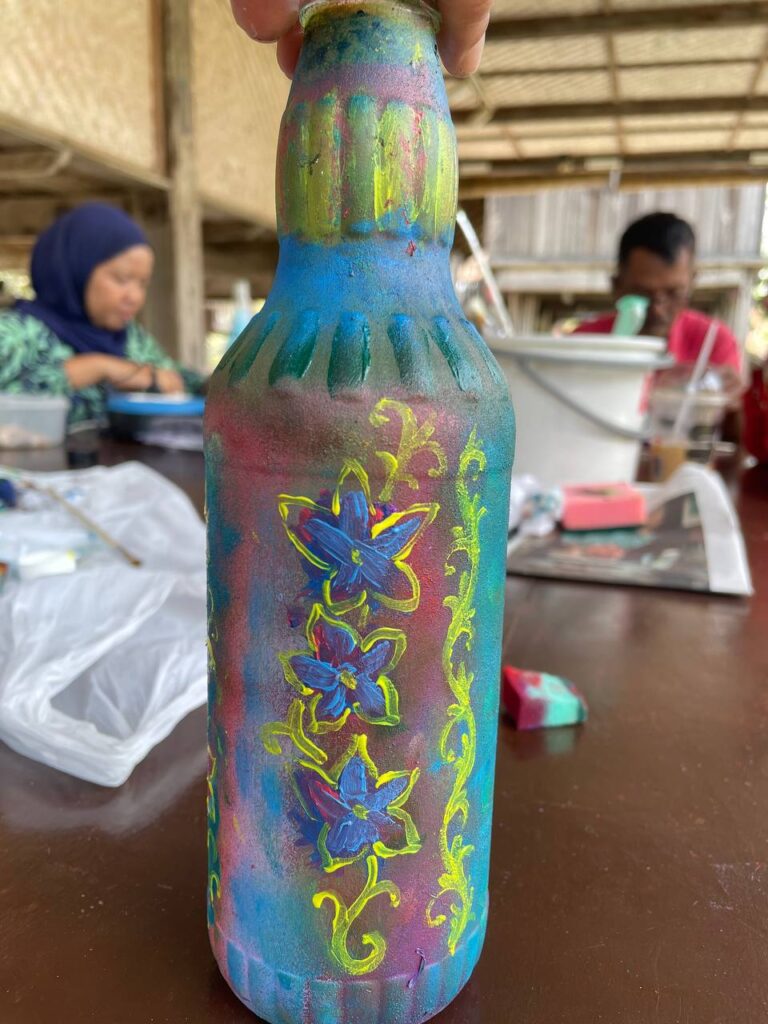
On the second morning, I joined the Drift Bottle Art Workshop, where discarded and washed-up bottles were turned into beautiful little pieces of art using acrylic paint, sponges, and brushes. I went into it thinking it would simply be a fun morning activity. Instead, somewhere between choosing colours, getting paint on my hands, and concentrating far too seriously on my bottle, I discovered a new artsy interest.
Apparently, I like painting.
It was wonderful to make something without worrying whether it was perfect or even particularly good. The point was simply to create. It also gave discarded objects a new lease of life, which made the process even more meaningful.
Art was not confined to the scheduled performances, either. Throughout the event, local artisans displayed their work, allowing visitors to stop, chat, and see the craftsmanship up close. Among them were Madi Pahat and Taib Aur, whose presence added another layer of depth to the experience. Rather than seeing traditional craft as something sitting static behind a glass case, here you could meet the people who continue to make and interpret it.
The vibrant atmosphere extended beyond Terrapuri itself, with the surrounding local area coming alive during the event. Vendors sold all kinds of delicious food, people wandered between stalls and performances, and art appeared in unexpected corners. There was an easy, welcoming kampung festival feeling to it all. Nothing felt overly polished or separated from the community around it.
Perhaps that was what I enjoyed most about the Trail of Philosophy 2.0. Culture was not presented as something precious that we were only supposed to observe from afar. We ate it, watched it, listened to it, walked through it, and, in my case, even painted a little piece of it.
Terrapuri was already a beautiful place to stay, but experiencing Silat Tari, Wayang Kulit, local artisans, and the Drift Bottle Art Workshop within those old wooden houses gave the stay an entirely new dimension.
I came for a cultural weekend and a few quiet days away. I left with a deeper appreciation for the traditions being kept alive, some very fond memories of Gelugor Raja, lingering thoughts of that outdoor bathtub, and, unexpectedly, a newfound urge to pick up a paintbrush again.
This was the second time Terrapuri has brought the Trail of Philosophy to life, and I already find myself wondering what the next edition will look like. If this year was anything to go by, I am more than happy to return, stay in another historic wooden house, eat my way through more Langkasuka-inspired food, discover more artists, and perhaps pick up another unexpected artsy hobby along the way.
Until then, Terrapuri. I cannot wait to be back next year.