Hantu Kopek. Now that’s one way to grab attention. Pair that with a wayang kulit performance, and you’ve got a show I absolutely couldn’t miss. And when I found out it was an all-women performance? Say no more. Ticket bought, weekend sorted.
So that Saturday, I made my way to RexKL, all geared up to face the legendary demon from my childhood nightmares. I was ready to be scared senseless. Here’s my honest review — not from a wayang kulit expert, but from an awestruck audience member.
Women Front and Center
What struck me first was the all-women ensemble. A group of talented performers telling folk tales about female-like demons — something that’s long been part of our Southeast Asian lore. I mean, in Malaysia, who hasn’t heard of Hantu Kopek? (Okay, maybe Gen Z, who are probably more familiar with TikTok zombies.)
The show began with the performers sharing their journey — the struggles, the passion, and the persistence that got them there. Wayang kulit has traditionally been a male-dominated art form, so seeing an all-women troupe on stage felt powerful. Even more impressive? The lineup included artists from Indonesia, Cambodia, Thailand, Myanmar and Malaysia. All I could think was — Girl Power, indeed!
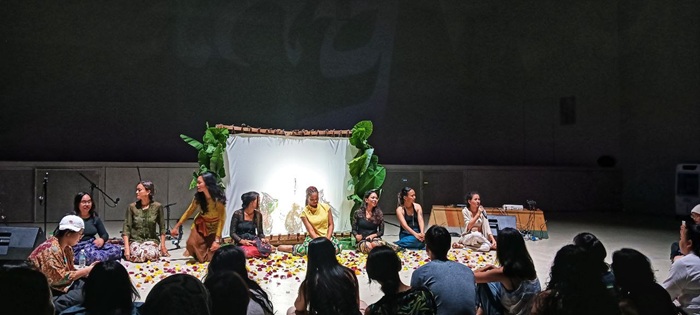
The Performers – Wayang Women
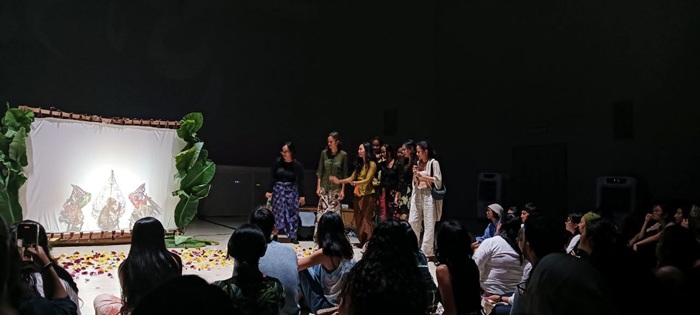
The Demon Sisterhood: Hantu Kopek, Penanggal, Pontianak
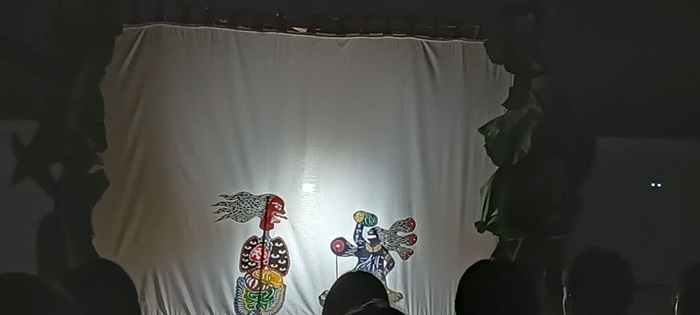
The storyline cleverly connected three iconic female demons — Hantu Kopek, Penanggal, and Pontianak — as a kind of dark sisterhood. Seeing them come to life in shadow play was both eerie and exhilarating.
But here’s where it hit me — a revelation, almost.
Were these women demonized because of their circumstances?
According to the story, Hantu Kopek was once a woman who couldn’t bear children. Her husband took a younger wife, leaving her alone and barren. As she aged, her sagging bosom became the stuff of nightmares, used to scare children into coming home before dark — “or Hantu Kopek will smother you!”
Then there’s Penanggal — once a midwife, now cursed, flying through the night with her organs dangling, hunting for mothers and newborns. Was that story meant to discredit traditional midwives?
And the Pontianak — a beautiful woman turned spirit, feared for her loud, eerie laughter. Was this just a way to tell women not to be “too much”?
It dawned on me: these weren’t just ghost stories. They were reflections of how society has long vilified women who didn’t fit the mold. It’s the same pattern we saw in Salem’s witch trials — women herbalists, healers, and free thinkers labeled as witches and burned. As Dolores Cannon once wrote, many of those “witches” were simply women practicing holistic healing.
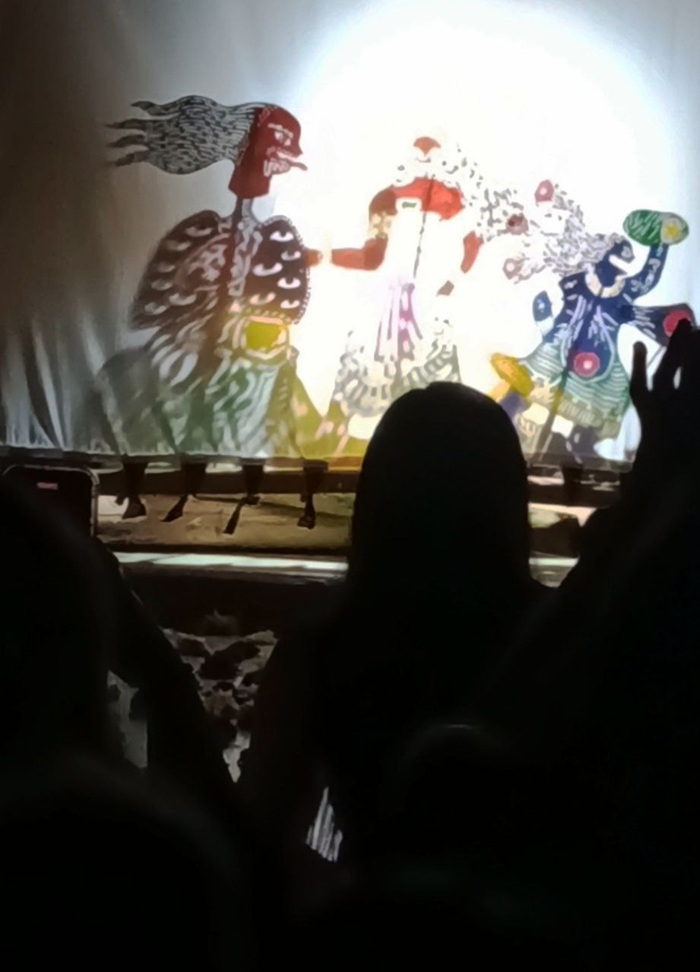
The Sisterhood of Demons – Hantu Kopek, Penanggal, Pontianak
Kebaya, Batik, and the Spirit of Nusantara
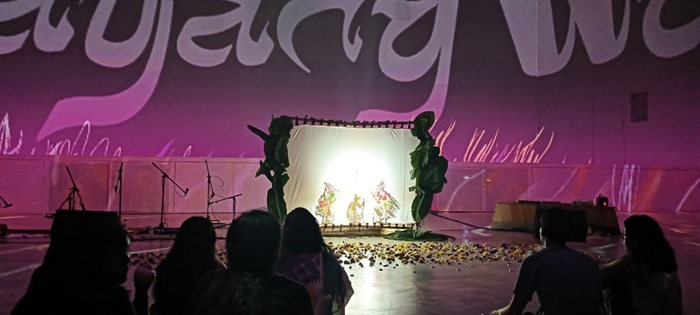
Let’s talk about the visuals. The performers looked stunning in kebaya and batik sarong — a feast of color and culture. But it wasn’t just them; the audience that night also seemed to tune into the same frequency. I noticed so many women dressed in traditional batik and kebaya too.
There was no dress code, but maybe we women just knew. Like an unspoken intuition to dress in celebration of our roots. It was beautiful — an unplanned, collective homage to Nusantara culture in the heart of KL.
Room for Growth (and Sequel, Please!)
No performance is perfect. The opening segment, done in Kelantanese, was a bit confusing for non-speakers — I wasn’t sure if it was a traditional ritual or part of the storyline. But once the English narration kicked in, the show flowed smoothly. The mix of humor, folklore, and light scares made it accessible for all ages.
The only downside? The ending came too soon! Just when I was fully immersed, the story wrapped up abruptly. I couldn’t help but think — will there be a Hantu Kopek 2.0? Maybe a PG-13 version next time with a deeper, darker twist?
Final Thoughts
Overall, it was a bold, refreshing, and empowering performance — a fantastic debut for the Wayang Women. They’ve not only revived a traditional art form but reshaped it into something that celebrates femininity, culture, and storytelling across the region.
Here’s to the Wayang Women — may their shadows continue to dance and their stories continue to awaken the spirits of Nusantara.